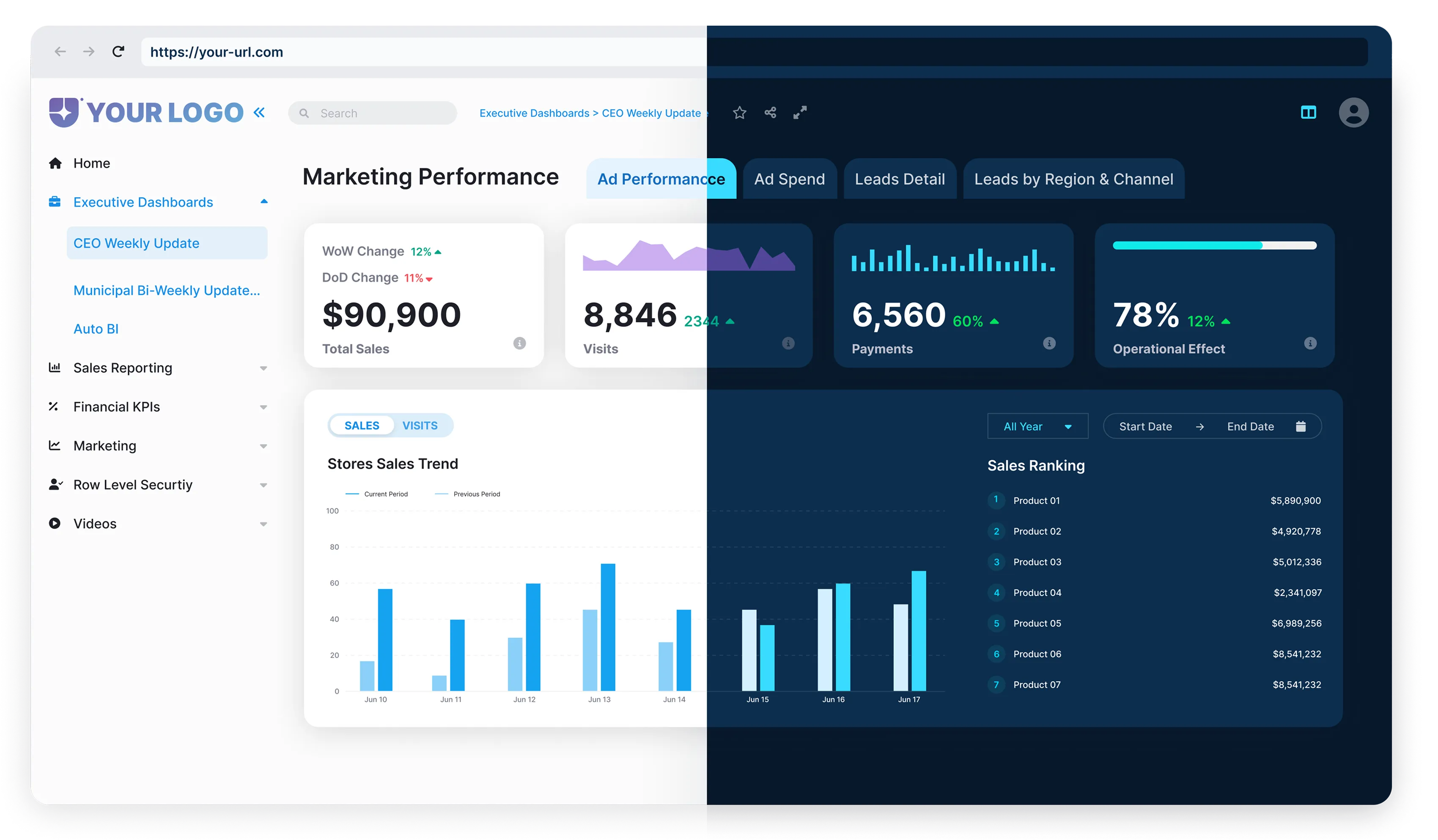



Power BI has long been a trusted foundation for data-driven decision-making. It helps teams turn complex data into charts, dashboards, and clear business insights. From finance to operations, it’s been the engine behind thousands of reports. But a new wave of technology is reshaping expectations.
Generative AI is gaining ground fast. Tools powered by large language models promise a simpler way to work with data; just type a question, and get an answer. No need to learn filters, set up visuals, or navigate tabs.
This isn’t a replacement story; it’s about evolution. Let’s take a closer look at how generative AI is impacting business intelligence and whether Power BI will continue to hold its ground in an AI-first world.
What Generative AI Brings to the Table
Generative AI is changing how people interact with data, fast.
Instead of navigating complex dashboards or writing DAX queries, users can simply ask a question in everyday language and get clear, actionable answers in return. These responses might be visual summaries, written insights, or even recommendations automatically generated from the right data.

It understands intent, not just keywords. Generative AI leverages the underlying BI model to identify the right data, apply calculations, and present results with less manual intervention, but it still depends on well-prepared datasets and governance.
That’s a big deal for business users. They no longer have to wait days for a new report or rely on static dashboards. They can dive in themselves, explore data on their own terms, and generate insights as they need them. This shift means fewer bottlenecks and a lot more speed.
For BI analysts, this shift reduces routine requests for analysts, enabling them to focus on advanced modeling, governance, and strategy. They’ll spend less time fielding basic report requests and more time focusing on strategic modeling, governance, and complex analysis. Generative AI acts like a copilot, helping them build reports faster, generate code, and even fine-tune visuals using natural language.
The result?
More people are creating insights. Less back-and-forth. And a new baseline for what “fast and flexible” data access looks like in the enterprise.
The Strengths (and Weaknesses) of Traditional BI Tools
Even with all the buzz around generative AI, BI tools like Power BI still hold a crucial place in data-driven organizations.






Generative AI vs BI Tools: Are They Competing or Converging?
Generative AI and BI tools work best when they team up.
AI makes it easy to ask questions and get quick answers. BI tools like Power BI keep data solid, trusted, and well-managed.
This partnership lets everyone access data while staying within compliance features inside BI, speeding up report building. Analysts spend less time on routine work and more on smart analysis.

Examples of AI integrations inside BI include Power BI with Copilot, which helps generate insights and code through natural language. Reporting Hub adds embedded chat, letting users find answers quickly within their apps while keeping governance intact. As a white-label business intelligence platform built on Power BI Embedded technology, Reporting Hub delivers scalable, secure, and customizable reporting portals—making it simple to share trusted data widely while maintaining full control.
The future? AI and BI are coming together. AI lowers the barrier for data exploration, while BI ensures structured models, governance, and scalability. Together, they make data simple, smart, and ready for anything. This partnership empowers organizations to be more agile, informed, and competitive in a fast-moving world.
The Governance Gap: Why BI Tools Still Matter

While generative AI improves data accessibility, strong governance is still essential. Role-based access restricts users to only the data they’re permitted to see, safeguarding sensitive information. Audit trails record who viewed or modified data, ensuring transparency and accountability. Version control manages updates, making sure everyone uses the correct reports and models.
Without governance, AI insights risk being opaque, but explainability features (e.g., Responsible AI dashboards, traceability in Power BI) can help mitigate this. This lack of transparency raises compliance concerns and increases the chance of errors or misuse.
Trust is the foundation that keeps BI tools relevant. Small errors in dashboards or outdated data may seem minor, but they chip away at user confidence. Over time, this leads users to abandon BI platforms in favor of unmanaged, offline spreadsheets, creating more risk.
Explainability is a key challenge.
While BI reports are typically traceable, showing how data was processed and metrics calculated, AI often functions as a black box, making it hard to understand why specific outputs were generated.



Reporting Hub bridges this governance gap by providing a structured platform where embedded Power BI reports and AI tools coexist securely. It enforces role-based permissions, detailed auditing, and centralized control, helping organizations embrace generative AI without compromising governance.

How Generative AI and Reporting Hub Are Shaping the Future of BI
BI Tools Aren’t Dying, They’re Evolving
BI tools are changing fast. Generative AI puts more power in the hands of everyday users, letting them ask questions and get insights without waiting for reports. This means less dependence on static dashboards and more on real-time, natural language interaction.
For BI analysts, AI cuts down on repetitive tasks like writing SQL or building visuals. This frees them up to focus on important things, like adding business context or digging into complex data stories.
Data engineers get help, too. AI speeds up cleaning, profiling, and managing data pipelines, making their work smoother and faster.

Reporting Hub fits right into this new mix.
It’s a simple, no-code platform that blends AI features with Power BI’s strong foundation.
Teams get flexibility to explore data and strong governance to keep it secure and trustworthy. It’s the best of both worlds, smart and safe.
Built as a white-label Business Intelligence platform, Reporting Hub lets you deliver Power BI content at scale with zero development needed. Reporting Hub integrates with Azure and Power BI Embedded, enabling faster deployment with reduced development effort.. Organizations can share content with external users without requiring them to have Power BI Pro licenses, provided sufficient embedded capacity is purchased.
Reporting Hub gives you full control to customize and brand your reporting portal, creating a centralized platform that acts as the single source of truth. With multi-tenant support, you can tailor experiences for different user groups or customers while keeping data segregated and secure. This turnkey solution empowers organizations to maximize the value of Power BI and generative AI, delivering insights broadly without sacrificing governance or control.
From Dashboards to Conversations
The next step in this evolution is making data truly interactive. Instead of just viewing pre-set dashboards, users want to engage with data in real time: ask a question, follow up with another, and get answers instantly. That’s where BI Genius comes in. Built on top of your Power BI models, it delivers a white-label AI assistant that runs entirely within your Azure environment. End users can explore data through natural language, while IT teams maintain full control over governance, security, and customization. It’s not just BI, it’s BI made conversational – scalable, branded, and designed for the enterprise.
- What Increases Time Spent in Your Reports
- The Strengths (and Weaknesses) of Traditional BI Tools
- Generative AI vs BI Tools: Are They Competing or Converging?
- The Governance Gap: Why BI Tools Still Matter
- How Generative AI and Reporting Hub Are Shaping the Future of BI
- Reporting Hub fits right into this new mix.
- From Dashboards to Conversations
.webp)
.webp)